
How Do You Know When It’s Time to Remodel Your Home?
At some point, almost every homeowner starts thinking is it time to remodel? Maybe your kitchen isn’t functioning as well as it should, your bathroom is showing its age, or your home simply doesn’t suit your lifestyle the way it once did.
But how do you know when it’s really time to remodel?
After 30 years in interior design, I’ve found that homeowners generally consider remodeling for one of three reasons: their home is becoming outdated, things are breaking down or they’re thinking about improving its resale value.
Whatever the reason, remodeling is a significant investment, and it’s important to make sure you’re spending your money where it will make the biggest difference.
1. Signs It May Be Time to Remodel
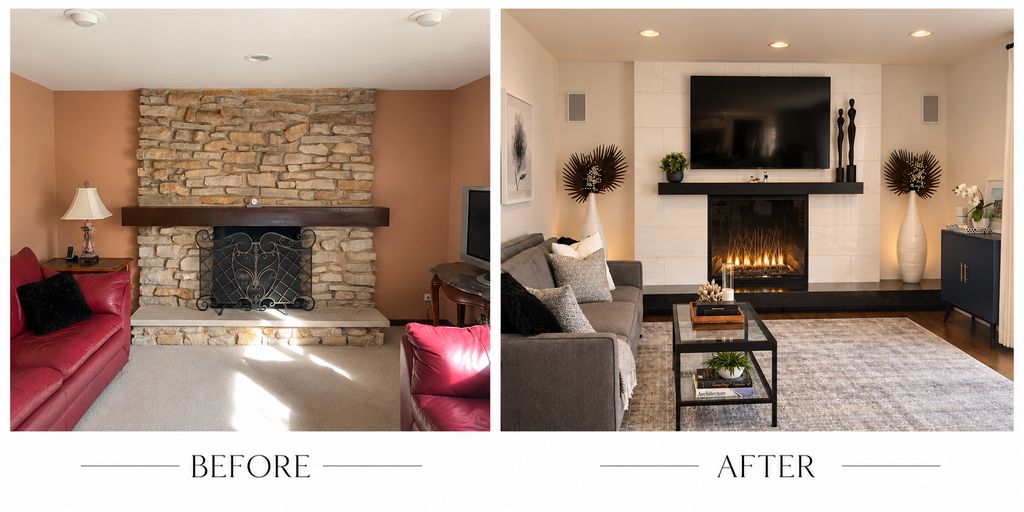
Your home is showing its age.
Worn flooring, cracked tiles, deteriorating cabinetry, and outdated fixtures are all signs that your home may be ready for some attention. While cosmetic updates can make a big difference, sometimes these issues are an indication that it’s time for a more substantial renovation.
Your space no longer functions well.
This is one of the biggest reasons I encourage homeowners to consider remodeling. Perhaps your kitchen lacks adequate counter space, storage is limited, or the layout makes preparing meals unnecessarily difficult.
Over the years, I’ve worked with clients who assumed they needed a larger kitchen when what they really needed was a better layout. Sometimes relocating an appliance, reconfiguring cabinetry, or borrowing space from an adjoining room can dramatically improve how a kitchen functions.
Before assuming you need more square footage, it’s worth exploring whether you can make better use of the space you already have.
Your lifestyle has changed.
The way we use our homes changes over time. Children grow up, aging parents may move in, working from home becomes a priority, or you simply find yourself entertaining more often.
A home that worked perfectly well ten or fifteen years ago may no longer meet your needs today. Remodeling gives you an opportunity to adapt your home to your current lifestyle.
Your home needs important updates.
Older electrical systems, inefficient plumbing, poor lighting, and inadequate insulation may be reasons to consider improvements. These aren’t always the most exciting parts of a remodeling project, but addressing them can make your home safer, more comfortable, and less expensive to maintain.
Of course, structural, electrical, or plumbing problems should be evaluated by the appropriate qualified professionals rather than postponed until a future remodel.
2. Consider Your Long-Term Plans Before Remodeling
One of the first questions I like to ask homeowners is how long they plan to stay in their home.
The answer can make a significant difference in how I approach a design.
If you’re planning to stay for many years, I believe it’s important to create a home that suits your lifestyle and brings you enjoyment. You’re the one living there, so the improvements should reflect how you want to use your space.
That doesn’t mean spending without limits. It means making thoughtful choices about where to invest your money.
If you’re planning to sell within the next few years, I would approach the project differently.
You may not recover the full cost of an extensive kitchen or bathroom remodel when you sell. In that situation, it often makes more sense to focus on improvements that appeal to a broader range of buyers without over-improving the home for the neighborhood.
It’s also worth taking a look at comparable homes in your area. If most homes have updated kitchens and bathrooms, an outdated home may be at a disadvantage when it’s time to sell.
The goal is to strike the right balance between improving your home and protecting your investment.
3. What Should You Consider Before Starting a Remodel?
Before you begin selecting cabinetry, countertops, tile, or lighting, I recommend taking some time to evaluate what you really want to accomplish.
Start with how your space functions.
Ask yourself a few questions:
- Does the existing space function well for the way I live?
- What could I gain if the space were reconfigured?
- Are there significant space limitations, or could a better layout solve some of my problems?
These questions are particularly important when planning a kitchen or bathroom renovation.
Determine a realistic budget.
Establish how much you’re comfortable spending before the design process begins. I also recommend setting aside a contingency for unexpected conditions, particularly when remodeling older homes.
A well-thought-out design should take your budget into consideration from the beginning, rather than creating a beautiful plan that turns out to be far more expensive than you intended.
Decide what can stay and what needs to go.
Not everything needs to be replaced during a remodel.
Depending on its condition and how it fits into the new design, existing flooring, cabinetry, appliances, or architectural features may be worth keeping.
On the other hand, sometimes trying to work around something that isn’t functioning well can compromise the entire project.
It’s important to evaluate these decisions individually. Spending a little more to correct an inefficient layout may be a better investment than spending money on expensive finishes while leaving the original problems unresolved.
Plan for the construction process.
Remodeling is very disruptive, especially when kitchens and bathrooms are involved. Be realistic about the timeline and how the project will affect your daily routines.
Working with qualified contractors, understanding which permits are necessary, and making as many design decisions as possible before construction begins can help the project run more smoothly. I also work with my clients to wait until all of the decisions have been made and any of the major finishes are on site. You don’t want ot be in the middle of the construction waiting for your cabinets to be delivered.
4. How Can an Interior Designer Help?
Many homeowners think of interior designers primarily in terms of selecting colors, furniture, and finishes. While those are certainly parts of the profession, good interior design involves much more.
One of the most valuable services an experienced interior designer can provide is space planning.
Before choosing the finishes, I like to look at how the entire space works:
Is the layout efficient?
Are there opportunities to improve circulation
How could we increase storage
How can we create a more functional arrangement?
Sometimes a relatively small change to a floor plan can make an enormous difference in how a room feels and functions. An interior designer can also help you evaluate where it’s worth spending more and where you may be able to save. For example, you don’t necessarily need expensive custom cabinetry to create a beautiful, well-designed kitchen. With thoughtful planning, stock or semi-custom cabinetry can often be used to achieve a much more custom appearance.
Good design isn’t always about spending more money. It’s about knowing where to spend it.
An experienced interior designer can also help coordinate the many decisions involved in remodeling, from cabinetry layouts and lighting plans to material selections and architectural details. Making these decisions early can help avoid costly changes once construction is underway.
5. Making the Most of Your Remodeling Investment
Whether you’re planning a complete kitchen renovation, updating a bathroom, or simply trying to make better use of your existing space, my advice is to begin with a plan.
Don’t start by choosing the prettiest countertop or the latest cabinet color. Start by identifying what’s working, what isn’t, and what you hope to accomplish.
I’ve always believed that a beautiful space should also be comfortable, practical, and suited to the people who live there.
Trends will come and go, but a well-planned home that functions beautifully can serve you for many years.
Thinking About Remodeling?
At Interior Transformation, we help homeowners throughout Arlington Heights, Chicago, and the surrounding suburbs make the most of their homes through thoughtful space planning, kitchen and bathroom design, and interior remodeling.
Whether you’re considering a major renovation or simply wondering if your existing space could work better, we’d be happy to help you explore the possibilities.
Visit Interior Transformation to learn more about our design services.